
Discover the incredible versatility of aluminium tubes. From packaging to construction, explore their myriad benefits in countless applications.
Aluminium tubes are among the most widely used engineering materials due to their lightweight construction, excellent corrosion resistance, high strength-to-weight ratio, and superior machinability. Industries such as aerospace, automotive, construction, marine, electrical, chemical processing, and manufacturing rely on aluminium tubes for structural and fluid transfer applications.
Available in grades such as Aluminium 6061, 6063, 6082, 7075, 2024, 3003, and 1100 aluminium tubes can be selected according to strength, corrosion resistance, weldability, and machining requirements. Whether used for precision engineering or large industrial projects, aluminium tubes provide reliable performance while reducing overall component weight.
This guide explains the key properties, industrial applications, advantages, manufacturing processes, grades and future trends of aluminium tubes to help buyers and engineers understand why they remain one of the most versatile metal products.
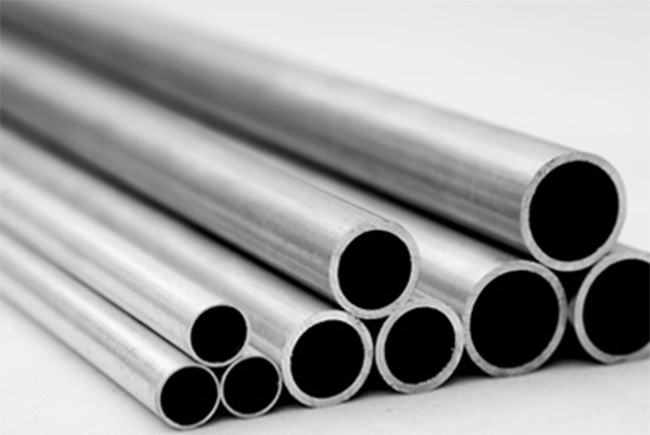
Key Properties of Aluminium Tubes
Aluminium tubes are renowned for their exceptional properties that make them suitable for a wide range of applications. One of the most notable properties is their high strength-to-weight ratio. This means that aluminium tubes are incredibly strong while remaining lightweight, making them ideal for use in industries where reducing weight is crucial. For instance, in the aerospace and automotive sectors, reducing weight can lead to significant fuel savings and improved efficiency.
Another key property of aluminium tubes is their excellent corrosion resistance. Aluminium naturally forms a protective oxide layer when exposed to air, which prevents further oxidation and corrosion. This property makes aluminium tubes highly durable and suitable for use in harsh environments, such as marine applications and chemical processing plants. The corrosion resistance of aluminium also means that it requires less maintenance compared to other metals, leading to cost savings over the long term.
Aluminium tubes also exhibit excellent thermal and electrical conductivity. This makes them ideal for use in heat exchangers, electrical wiring, and electronic components. The thermal conductivity of aluminium allows for efficient heat transfer, while its electrical conductivity ensures reliable performance in electrical applications. Additionally, aluminium is non-magnetic, which makes it suitable for use in applications where magnetic interference needs to be minimized.
Popular Grades of Aluminium Tubes
Aluminium Alloy 6061 Tubes
Aluminium Alloy 6061 Tubes are one of the most widely used grades due to their excellent strength, corrosion resistance, and weldability. They are commonly used in structural engineering, automotive components, marine equipment, and industrial machinery.
Aluminium Alloy 6063 Tubes
Aluminium Alloy 6063 Tubes offer excellent surface finish and corrosion resistance, making them ideal for architectural, decorative, and structural applications. They are easy to extrude, weld, and anodize.
Aluminium Alloy 6082 Tubes
Aluminium Alloy 6082 Tubes provide higher mechanical strength than many other aluminium grades. They are widely used in bridges, cranes, transportation equipment, heavy machinery, and structural engineering projects.
Aluminium Alloy 7075 Tubes
Aluminium Alloy 7075 Tubes are high-strength aerospace-grade tubes known for exceptional mechanical properties. They are commonly used in aircraft structures, defence equipment, motorsports, and high-performance engineering applications.
Aluminium Alloy 2024 Tubes
Aluminium Alloy 2024 Tubes offer outstanding fatigue resistance and high strength. They are primarily used in aerospace structures, aircraft fittings, military equipment, and precision engineering components.
Aluminium Alloy 5083 Tubes
Aluminium Alloy 5083 Tubes provide excellent corrosion resistance, especially in seawater environments. They are widely used in marine structures, offshore platforms, shipbuilding, pressure vessels, and cryogenic applications.
Aluminium Alloy 3003 Tubes
Aluminium Alloy 3003 Tubes are known for excellent corrosion resistance and formability. They are commonly used in heat exchangers, HVAC systems, roofing, storage tanks, and general fabrication.
Aluminium Alloy 1100 Tubes
Aluminium Alloy 1100 Tubes offer excellent workability, thermal conductivity, and corrosion resistance. They are suitable for chemical processing equipment, food processing, electrical applications, and decorative products.
Types of Aluminium Tubes
Round Tubes
Round aluminium tubes are the most commonly used type and are suitable for structural, mechanical, hydraulic, automotive, and fluid transportation applications.
Square Tubes
Aluminium square tubes provide excellent strength and stability, making them ideal for construction frameworks, furniture, architectural structures, and industrial fabrication.
Rectangular Tubes
Aluminium rectangular tubes offer high load-bearing capacity and are widely used in bridges, trailers, machinery frames, transport vehicles, and structural engineering.
Seamless Tubes
Seamless aluminium tubes are manufactured without welded joints, providing superior pressure resistance and reliability for aerospace, hydraulic, oil & gas, and high-pressure applications.
Extruded Tubes
Extruded aluminium tubes are produced through the extrusion process, allowing consistent dimensions and complex profiles. They are commonly used in construction, transportation, and industrial manufacturing.
Drawn Tubes
Drawn aluminium tubes provide improved dimensional accuracy, tighter tolerances, and smoother surface finish, making them suitable for precision engineering and instrumentation.
Thin Wall Tubes
Thin wall aluminium tubes reduce overall weight while maintaining adequate strength. They are widely used in aerospace, automotive, bicycles, sporting equipment, and lightweight structures.
Heavy Wall Tubes
Heavy wall aluminium tubes offer superior strength and durability for demanding industrial applications such as heavy machinery, offshore equipment, pressure systems, and structural supports.
Shapes of Aluminium Tubes
Aluminium Square Tube
Aluminium square tubes are extensively used in construction, fabrication, architectural structures, industrial frameworks, and furniture manufacturing due to their excellent strength and clean appearance.
Aluminium Rectangular Tube
Aluminium rectangular tubes provide high structural integrity and are commonly used for bridges, trailers, equipment frames, transportation, and heavy-duty fabrication.
Aluminium Round Tube
Aluminium round tubes are widely preferred for piping systems, automotive components, aerospace structures, handrails, heat exchangers, and fluid transportation.
Aluminium Hollow Section
Aluminium hollow sections combine lightweight construction with excellent structural strength, making them suitable for commercial buildings, infrastructure, engineering projects, and industrial applications.
Aluminium Box Section
Aluminium box sections are widely used in structural fabrication, machine frames, support systems, gates, fencing, and architectural projects where high strength and rigidity are required.
Aluminium Tubes in the Aerospace Industry
The aerospace industry is one of the largest consumers of aluminium tubes due to their critical properties that meet the stringent requirements of this sector. One of the primary uses of aluminium tubes in aerospace is in the construction of aircraft frames and structures. The high strength-to-weight ratio of aluminium allows for a lightweight yet robust framework, which is essential for the performance and efficiency of aircraft. Additionally, the corrosion resistance of aluminium tubes ensures the longevity and reliability of the aircraft components.
Aluminium tubes are also utilized in the manufacturing of aircraft fuel systems. The excellent corrosion resistance of aluminium is particularly important in this application, as it ensures that the fuel systems remain free from contamination and degradation over time. Furthermore, the lightweight nature of aluminium helps to reduce the overall weight of the aircraft, contributing to improved fuel efficiency and reduced operational costs.
In addition to structural and fuel system applications, aluminium tubes are also used in the production of various aircraft components, such as hydraulic systems, landing gear, and air conditioning systems. The thermal conductivity of aluminium makes it ideal for use in heat exchangers within the aircraft, ensuring efficient temperature regulation. The non-magnetic properties of aluminium are also beneficial in the aerospace industry, as they help to minimize interference with the aircraft's electronic systems.
Aluminium Tubes in the Automotive Sector
The automotive sector is another major industry that benefits from the use of aluminium tubes. One of the primary applications of aluminium tubes in this sector is in the manufacturing of vehicle frames and body panels. The lightweight nature of aluminium helps to reduce the overall weight of the vehicle, which in turn improves fuel efficiency and reduces emissions. Additionally, the high strength-to-weight ratio of aluminium ensures that the vehicle remains safe and durable.
Aluminium tubes are also used in the production of various engine components, such as cylinder heads, pistons, and engine blocks. The excellent thermal conductivity of aluminium helps to dissipate heat efficiently, ensuring optimal engine performance and preventing overheating. Furthermore, the corrosion resistance of aluminium ensures that these components remain free from rust and degradation, leading to a longer lifespan and reduced maintenance costs.
In addition to structural and engine applications, aluminium tubes are also used in the manufacturing of automotive heat exchangers, such as radiators and air conditioning systems. The thermal conductivity of aluminium allows for efficient heat transfer, ensuring that the vehicle's engine and cabin remain at optimal temperatures. The lightweight nature of aluminium also contributes to the overall weight reduction of the vehicle, further enhancing fuel efficiency and performance.
Use of Aluminium Tubes in Construction
Aluminium tubes are widely used in the construction industry due to their versatile properties and ease of fabrication. One of the primary applications of aluminium tubes in construction is in the creation of structural frameworks for buildings and infrastructure. The high strength-to-weight ratio of aluminium allows for the construction of strong and durable structures without significantly increasing the overall weight. This is particularly important in high-rise buildings and bridges, where weight reduction is crucial for stability and safety.
In addition to structural frameworks, aluminium tubes are also used in the production of various architectural components, such as window frames, doors, and curtain walls. The corrosion resistance of aluminium ensures that these components remain free from rust and degradation, even in harsh environmental conditions. Furthermore, the lightweight nature of aluminium makes it easy to handle and install, reducing construction time and labor costs.
Aluminium tubes are also utilized in the construction of temporary structures, such as scaffolding and event stages. The high strength and durability of aluminium ensure that these structures can support heavy loads and withstand significant wear and tear. Additionally, the lightweight nature of aluminium makes these structures easy to transport and assemble, providing a cost-effective and efficient solution for temporary construction needs.
Aluminium Tubes in Marine & Offshore Industry
The outstanding corrosion resistance of aluminium tubes makes them an excellent choice for marine and offshore applications. They are commonly used in shipbuilding, offshore platforms, desalination plants, dock structures, cooling systems, and marine piping. Aluminium Alloy 5083 Tubes are particularly preferred because they perform exceptionally well in seawater environments while requiring minimal maintenance.
Aluminium Tubes in Oil & Gas Industry
Aluminium tubes are widely used in the oil and gas sector for instrumentation, hydraulic systems, compressed air lines, structural supports, and heat exchangers. Their lightweight construction simplifies transportation and installation while their corrosion resistance ensures reliable performance in demanding industrial environments.
Aluminium Tubes in HVAC & Heat Exchangers
Due to their excellent thermal conductivity, aluminium tubes are extensively used in HVAC systems, condensers, evaporators, radiators, and industrial heat exchangers. Their ability to transfer heat efficiently improves system performance while reducing energy consumption and maintenance requirements.
Aluminium Tubes in Electrical Industry
Aluminium tubes are widely used in the electrical industry for cable protection, busbars, electrical enclosures, lighting systems, and conductor applications. Their high electrical conductivity, lightweight properties, and corrosion resistance make them a dependable solution for both indoor and outdoor electrical installations.
Aluminium Tubes in Renewable Energy & Solar Industry
The renewable energy industry relies on aluminium tubes for solar panel mounting systems, wind turbine components, battery structures, and support frames. Their lightweight nature, durability, and resistance to outdoor weather conditions contribute to long service life and lower maintenance costs.
How to Choose the Right Aluminium Tube
Choosing the right aluminium tube depends on your application, operating environment, load requirements, and fabrication method. Whether you are purchasing from aluminium tube manufacturers, aluminium tube suppliers, or comparing aluminium tube prices, selecting the correct specification ensures better performance, durability, and cost efficiency.
When selecting an aluminium tube, consider the following factors:
Grade
Different aluminium grades offer different mechanical and corrosion-resistant properties.
- 6061 Aluminium Tubes – High strength, excellent machinability, structural applications.
- 6063 Aluminium Tubes – Superior surface finish for architectural and decorative use.
- 6082 Aluminium Tubes – Heavy engineering and high-load applications.
- 7075 Aluminium Tubes – Aerospace and high-strength components.
- 5083 Aluminium Tubes – Marine and offshore environments.
- 3003 & 1100 Aluminium Tubes – General fabrication and corrosion-resistant applications.
Shape
Choose the tube profile according to the project requirements.
- Round Aluminium Tubes
- Square Aluminium Tubes
- Rectangular Aluminium Tubes
- Hollow Sections
- Box Sections
Wall Thickness
Wall thickness affects the tube's strength, pressure handling capability, weight, and bending performance. Thin wall tubes are suitable for lightweight applications, while heavy wall tubes provide greater structural strength.
Size
Select the appropriate outside diameter, inside diameter, and tube length based on your design specifications and installation requirements.
Temper
Common tempers include O, H12, H14, H32, T4, T5, T6, and T651. Each temper provides different levels of hardness, strength, formability, and machinability.
Application
Always match the aluminium tube grade and specification to the intended application, whether for aerospace, automotive, construction, marine, HVAC, chemical processing, electrical systems, pharmaceutical equipment, or food processing industries.
Aluminium Tubes Specifications & Features
Siddhgiri Tubes manufactures and supplies premium quality Aluminium Tubes in a wide range of grades including Aluminium 6061 Tubes, Aluminium 6063 Tubes, Aluminium 6082 Tubes, Aluminium 7075 Tubes, Aluminium 2024 Tubes, Aluminium 5083 Tubes, Aluminium 3003 Tubes, and Aluminium 1100 Tubes for industrial and engineering applications.
Our aluminium tubes are available in round, square, rectangular, seamless, extruded, drawn, thin wall, and heavy wall configurations to meet diverse fabrication and structural requirements. Depending on the application, customers can choose from Mill Finish, Anodized, Powder Coated, Brushed, and Polished surface finishes for improved corrosion resistance and appearance.
We supply aluminium tubes in various tempers including O, H12, H14, H32, T4, T5, T6, and T651, manufactured in accordance with international standards such as ASTM, EN, DIN, JIS, and BS to ensure consistent quality, dimensional accuracy, and reliable performance across industries.
International Standards
Aluminium tubes are commonly manufactured in accordance with internationally recognized standards, including:
ASTM Standards
- ASTM B210 / B210M (Drawn Seamless Tubes)
- ASTM B221 / B221M (Extruded Tubes)
- ASTM B234 (Heat Exchanger Tubes)
- ASTM B241 / B241M (Seamless Extruded Tubes)
- ASTM B313 (Welded Tubes)
- ASTM B345 (Gas and Oil Transmission Tubes)
- ASTM B429 (Structural Tubes)
- ASTM B483 (General Purpose Drawn Tubes)
EN Standards
- EN 754 (Cold Drawn Tubes)
- EN 755 (Extruded Tubes)
- EN 12020 (Extruded Precision Profiles and Tubes)
DIN Standards (Legacy / Replaced by EN)
- DIN 1748-4 (Extruded Tubes)
- DIN 59750 (Drawn Tubes Dimensions)
- DIN 59755 (Extruded Tubes Dimensions)
JIS Standards
- JIS H 4080 (Extruded and Cold-Drawn Tubes)
- JIS H 4090 (Welded Pipes and Tubes)
BS Standards (Legacy / Replaced by BS EN)
- BS 1474 (Wrought Extruded Round Tubes)
- BS EN 754 / BS EN 755 Series (Modern Adoptions)
Following these standards ensures consistent dimensional accuracy, mechanical properties, chemical composition, corrosion resistance, and overall product quality for industrial applications.
Manufacturing Process of Aluminium Tubes
Aluminium tubes are manufactured using advanced production techniques to ensure consistent dimensions, excellent mechanical properties, and superior surface quality. The manufacturing process may vary depending on the alloy grade and end-use application, but generally includes the following stages:
Billet Selection
High-quality aluminium billets of the required alloy grade, such as 6061, 6063, 6082, 7075, 5083, 3003, or 1100, are selected to achieve the desired mechanical properties and corrosion resistance.
Extrusion
The heated billet is forced through a precision die to produce aluminium tubes in various shapes, including round, square, rectangular, hollow sections, and box sections.
Cold Drawing
For applications requiring tighter dimensional tolerances, improved surface finish, and enhanced strength, the extruded tube undergoes cold drawing.
Heat Treatment
Depending on the alloy and temper requirements, aluminium tubes are heat treated to achieve the required hardness, strength, and machinability.
Straightening
After heat treatment, tubes are straightened to maintain dimensional accuracy and ensure uniformity throughout their length.
Cutting
The tubes are cut into standard lengths or custom sizes based on customer specifications and project requirements.
Surface Finishing
Different finishing processes are applied to improve appearance, corrosion resistance, and durability.
Inspection
Every batch undergoes dimensional and quality inspection to ensure compliance with international standards.
Packaging
Finished aluminium tubes are carefully packed to prevent damage during storage and transportation.
Packaging of Aluminium Tubes
To ensure safe transportation and export, aluminium tubes are supplied with various packaging options, including:
- Wooden Boxes
- Bundles
- Plastic Wrapped Packaging
- Export Worthy Packaging
- Custom Packaging as per customer requirements
Quality Testing of Aluminium Tubes
Every aluminium tube is subjected to stringent quality control procedures to ensure consistent performance, dimensional accuracy, and compliance with international standards. Common quality tests include:
- Tensile Test
- Hardness Test
- Chemical Analysis
- Ultrasonic Testing
- Eddy Current Testing
- Dimensional Inspection
- Visual Inspection
These tests verify the mechanical properties, chemical composition, internal soundness, and overall quality of the aluminium tubes before dispatch.
Surface Finish Options
Aluminium tubes are available in a variety of surface finishes depending on the application and aesthetic requirements.
- Mill Finish
- Anodized Aluminium Tubes
- Powder Coated Finish
- Polished Finish
- Brushed Finish
These finishes improve corrosion resistance, durability, appearance, and suitability for architectural, industrial, marine, and decorative applications.
Aluminium Tube Tempers
Aluminium tubes are supplied in various tempers to meet different fabrication and engineering requirements. Common tempers include:
- O (Annealed)
- H12
- H14
- H32
- T4
- T5
- T6
- T651
Each temper offers a different combination of strength, hardness, formability, machinability, and weldability, allowing engineers to select the most suitable aluminium tube for structural, marine, automotive, aerospace, and general engineering applications.
Aluminium Tube vs Aluminium Pipe
Although the terms are often used interchangeably, aluminium tubes and aluminium pipes are designed for different purposes. Aluminium tubes are generally specified by outside diameter and wall thickness and are used for structural, mechanical, and precision engineering applications. Aluminium pipes are usually specified by nominal pipe size (NPS) and are primarily intended for transporting liquids and gases. Understanding this difference helps buyers select the appropriate product for their project requirements.
Sustainability & Recycling of Aluminium Tubes
Aluminium tubes are one of the most sustainable engineering materials available today. Their long service life, excellent recyclability, and lightweight properties help industries reduce operating costs while minimizing environmental impact. As global industries move toward sustainable manufacturing and energy-efficient solutions, aluminium tubes continue to be a preferred material across construction, transportation, packaging, renewable energy, and industrial applications.
100% Recyclable
Aluminium can be recycled repeatedly without losing its original mechanical or chemical properties. Recycled aluminium requires significantly less energy to produce than primary aluminium, making it an environmentally responsible choice.
Lower Carbon Footprint
The lightweight nature of aluminium reduces transportation weight, fuel consumption, and greenhouse gas emissions throughout the product lifecycle. This contributes to a lower overall carbon footprint compared to many conventional engineering materials.
Energy Savings Through Lightweight Design
Using aluminium tubes instead of heavier materials helps improve energy efficiency in automotive, aerospace, railway, marine, and industrial equipment by reducing overall component weight without compromising structural performance.
Long Service Life
Thanks to their natural corrosion resistance and durability, aluminium tubes offer an extended service life even in demanding environments such as marine, chemical processing, and outdoor structural applications.
Minimal Maintenance
Unlike many other metals, aluminium tubes require very little maintenance. Their natural oxide layer protects against corrosion, reducing maintenance costs and extending operational reliability over many years.
Why Choose Aluminium Tubes?
Aluminium tubes offer an excellent combination of strength, durability, corrosion resistance, and lightweight performance, making them one of the most preferred engineering materials across multiple industries.
Better Corrosion Resistance than Steel
Unlike ordinary carbon steel, aluminium naturally develops a protective oxide layer that resists rust and corrosion, making it suitable for outdoor, marine, and chemical processing environments.
Lighter than Stainless Steel
Aluminium weighs approximately one-third as much as stainless steel, making transportation, installation, and fabrication easier while improving overall energy efficiency.
Easier Machining than Titanium
Aluminium tubes are easier to machine, drill, cut, weld, and fabricate than titanium, helping manufacturers reduce production time and machining costs.
Better Thermal and Electrical Conductivity
Compared to many engineering alloys, aluminium provides excellent thermal and electrical conductivity, making it ideal for heat exchangers, HVAC systems, electrical equipment, and electronic applications.
Lower Maintenance Costs
The combination of corrosion resistance, durability, and long service life minimizes maintenance requirements, reducing lifecycle costs for industrial equipment and structural applications.
Whether used in aerospace, automotive, construction, marine, electrical, pharmaceutical, or general engineering industries, aluminium tubes provide a reliable, cost-effective, and sustainable solution for a wide range of applications.
Conclusion and Future Trends
Looking to the future, the demand for aluminium tubes is expected to grow, driven by the increasing focus on sustainability and efficiency. The lightweight nature of aluminium makes it an ideal material for reducing weight and improving fuel efficiency in the aerospace and automotive industries. Additionally, the excellent recyclability of aluminium aligns with the growing emphasis on sustainable and environmentally friendly practices. The continued research and development in aluminium tube manufacturing are likely to lead to further innovations, opening up new possibilities and applications.
As industries continue to seek materials that offer a balance of performance, durability, and sustainability, aluminium tubes are well-positioned to meet these demands. The ongoing advancements in manufacturing techniques and alloy development will ensure that aluminium tubes remain at the forefront of material solutions for various applications. Whether it's in the construction of high-rise buildings, the production of efficient heat exchangers, or the manufacturing of lightweight and durable vehicle components, aluminium tubes will continue to play a crucial role in shaping the future of various industries.
Before Buying Aluminium Tubes, Consider
Selecting the right aluminium tube helps ensure long service life, reliable performance, and cost-effective operation. Before placing an order, evaluate the following factors:
- Grade – Select the appropriate alloy such as 6061, 6063, 6082, 7075, 5083, 3003, or 1100 based on strength, corrosion resistance, and application.
- Size – Verify the required outer diameter, inner diameter, length, and dimensional tolerances.
- Wall Thickness – Choose the appropriate thickness according to structural strength, pressure requirements, and fabrication needs.
- Temper – Confirm the required temper, including O, H12, H14, H32, T4, T5, T6, or T651, depending on the intended application.
- Surface Finish – Determine whether Mill Finish, Anodized, Powder Coated, Polished, or Brushed Finish is required.
- Standards – Ensure the product complies with applicable ASTM, EN, DIN, JIS, BS, or other project specifications.
- Application – Match the aluminium tube to its intended use, whether structural, marine, automotive, aerospace, HVAC, pharmaceutical, food processing, or general engineering.
- Quantity – Confirm project quantities and the availability of standard or custom lengths.
- Supplier Experience – Choose an experienced aluminium tube manufacturer, supplier, or exporter with a proven record of supplying quality products.
- Test Certificates – Request Mill Test Certificates (MTC), material traceability, and quality inspection reports to verify compliance with the required standards.
Considering these factors helps ensure you select aluminium tubes that deliver the required performance, durability, and long-term value for your specific application.
Frequently Asked Questions
1. What is an aluminium tube?
An aluminium tube is a hollow cylindrical, square, or rectangular product manufactured from aluminium alloys. It is widely used for structural, mechanical, architectural, fluid transfer, and engineering applications because of its lightweight, corrosion resistance, and excellent strength-to-weight ratio.
2. What are aluminium tubes used for?
Aluminium tubes are used in aerospace, automotive, construction, marine, HVAC, oil & gas, electrical, renewable energy, pharmaceutical, food processing, chemical processing, machinery, and general engineering industries. They are commonly used for structural frameworks, heat exchangers, hydraulic systems, fluid transportation, and fabrication projects.
3. What aluminium tube grades are available?
Common aluminium tube grades include Aluminium 6061, 6063, 6082, 7075, 5083, 2024, 3003, and 1100. Each grade offers different mechanical properties, corrosion resistance, weldability, and machinability for specific industrial applications.
4. Which aluminium tube grade is strongest?
Aluminium Alloy 7075 is one of the strongest aluminium grades and is widely used in aerospace, defense, and high-performance engineering applications where maximum strength is required.
5. Can aluminium tubes be welded?
Yes. Many aluminium tube grades, including 6061, 6063, 5083, and 3003, offer excellent weldability using suitable welding processes such as TIG and MIG welding.
6. Can aluminium tubes be bent?
Yes. Aluminium tubes can be bent using manual or CNC tube bending machines. The ease of bending depends on the alloy grade, temper, wall thickness, and bending radius.
7. Are aluminium tubes rust proof?
Aluminium does not rust like carbon steel. Instead, it forms a natural oxide layer that protects the surface from corrosion, making aluminium tubes highly resistant to weathering and many industrial environments.
8. How long do aluminium tubes last?
With proper grade selection and installation, aluminium tubes can provide decades of reliable service. Their corrosion resistance and low maintenance requirements contribute to an extended service life.
9. What is the difference between aluminium pipe and aluminium tube?
The primary difference lies in how they are measured and used. Aluminium tubes are generally specified by outside diameter and wall thickness and are commonly used for structural and precision applications. Aluminium pipes are usually specified by nominal pipe size (NPS) and are mainly used for fluid and gas transportation.
10. What is a seamless aluminium tube?
A seamless aluminium tube is manufactured without a welded seam, providing improved strength, pressure resistance, and dimensional consistency. It is commonly used in aerospace, hydraulic systems, heat exchangers, and high-pressure industrial applications.
11. What are standard aluminium tube sizes?
Aluminium tubes are available in a wide range of outside diameters, wall thicknesses, lengths, and shapes. Standard sizes vary according to ASTM, EN, DIN, JIS, BS, and customer specifications, with custom dimensions also available.
12. Which aluminium tube is best for marine use?
Aluminium Alloy 5083 tubes are among the best choices for marine and offshore applications due to their excellent corrosion resistance in seawater environments and high mechanical strength.
13. Which aluminium tube is best for aerospace applications?
Aluminium Alloy 7075 and Aluminium Alloy 2024 tubes are widely used in aerospace applications because they provide excellent strength, fatigue resistance, and lightweight performance.
14. Which aluminium tube is best for structural applications?
Aluminium Alloy 6061 and Aluminium Alloy 6082 tubes are commonly selected for structural applications because they offer an excellent combination of strength, weldability, machinability, and corrosion resistance.
15. How do I choose the right wall thickness?
The appropriate wall thickness depends on the load, pressure, fabrication method, bending requirements, and intended application. Heavy wall tubes provide greater structural strength, while thin wall tubes reduce weight and material costs.
16. Can aluminium tubes be anodized?
Yes. Many aluminium tube grades, particularly 6063 and 6061, can be anodized to improve corrosion resistance, wear resistance, and surface appearance while allowing decorative colour finishes.
17. Are aluminium tubes recyclable?
Yes. Aluminium tubes are 100% recyclable without losing their original properties. Recycling aluminium also requires significantly less energy than producing primary aluminium, making it an environmentally sustainable material.
18. What standards are followed for aluminium tubes?
Aluminium tubes are commonly manufactured according to international standards such as ASTM, EN, DIN, JIS, and BS, depending on the application and customer requirements.
19. Are custom aluminium tube sizes available?
Yes. Manufacturers and suppliers can provide aluminium tubes in custom diameters, wall thicknesses, lengths, tempers, and surface finishes to meet specific project requirements.
20. Where can I buy aluminium tubes in India?
Aluminium tubes are available from reputable manufacturers, suppliers, stockists, and exporters across India. When selecting a supplier, consider factors such as product quality, available grades, compliance with international standards, test certificates, inventory, customization capabilities, and industry experience.