
Introduction
Brass strips play a vital role in the modern industrial world. Known for their unique blend of strength, flexibility, and conductivity, these metal components have become indispensable in manufacturing, architecture, and electronics. This article explores the importance of brass strips, their composition, production process, and applications — along with an overview of leading manufacturers and how to choose the right supplier for your needs.
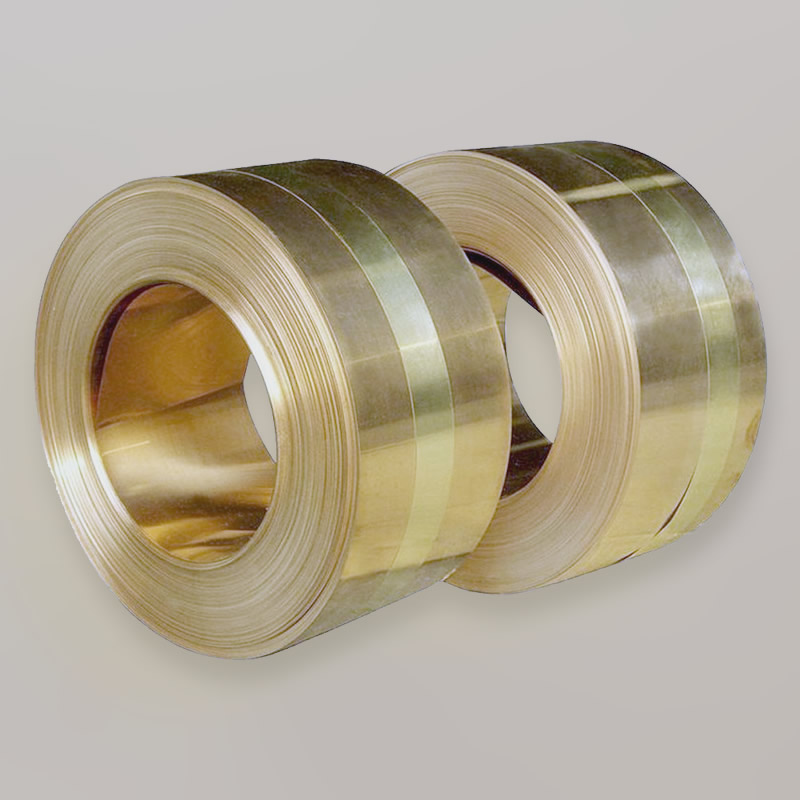
Understanding Brass Strips
Brass strips are thin, flat pieces of brass alloy produced in varying widths and thicknesses. They combine the strength of copper with the affordability and machinability of zinc, making them ideal for high-precision components and decorative applications alike.
Composition:
The alloy typically consists of 60–70% copper and 30–40% zinc, depending on the desired balance between conductivity and hardness. A higher copper ratio enhances conductivity and corrosion resistance, while more zinc increases tensile strength and durability.
Comparison with Copper Strips:
While copper strips offer higher electrical conductivity, brass strips outperform them in mechanical strength and wear resistance. Brass is also less prone to oxidation and more cost-effective, which makes it a preferred alternative in applications where conductivity and structural strength are both important.
Mechanical and Chemical Properties:
Brass strips exhibit exceptional plasticity, corrosion resistance, and wear resistance, allowing them to be shaped into fine components without cracking. Their non-sparking nature makes them suitable for environments requiring safety and reliability, such as electrical switches and connectors.
Manufacturing Process of Brass Strips
The production of brass strips involves a combination of metallurgical precision and technological innovation. The process generally includes:
Casting:
Molten brass is poured into molds to create billets or slabs, which form the raw material base.
Rolling:
These billets are hot-rolled and then cold-rolled to achieve the required thickness and surface finish. Rolling improves grain structure and enhances strength.
Annealing:
Heat treatment (annealing) is applied between rolling stages to reduce internal stresses and restore ductility.
Finishing & Quality Control:
Strips undergo surface finishing and strict quality checks for thickness uniformity, mechanical strength, and purity. Modern manufacturers employ AI-assisted sensors to ensure consistent quality.
Sustainability Innovations:
Recent advancements have led to the production of lead-free brass and eco-friendly alloys such as Wieland-M42, which comply with global environmental standards like RoHS and REACH.
Applications of Brass Strips Across Industries
Brass strips are versatile and used in a wide range of sectors. Their adaptability to different mechanical and aesthetic requirements makes them invaluable in both heavy and light industries.
Mechanical Manufacturing:
Used in the production of gears, bearings, valves, and precision fittings due to their durability and low friction.
Architectural Use:
Favored for door and window fittings, handrails, and decorative trims. In India, they are also used as Vastu energy strips in home construction.
Automotive and Shipbuilding:
Brass strips serve as corrosion-resistant connectors and gaskets in vehicles and marine vessels, where durability against moisture and vibration is crucial.
Electronics and Electrical Components:
Their excellent conductivity and formability make them ideal for switches, battery terminals, connectors, and circuit boards.
Musical Instrument Production:
Brass’s acoustic qualities make it the backbone of wind and string instruments, producing bright, resonant tones.
Across all these sectors, brass strips balance performance, workability, and cost efficiency better than many other metals.
Future Trends Shaping the Brass Strip Industry
The brass strip industry is undergoing significant transformation driven by global demand and sustainability goals.
Rising Demand:
With the expansion of the electronics, renewable energy, and construction sectors, the demand for brass strips continues to grow.
Environmental Compliance:
Manufacturers are focusing on eco-friendly, lead-free brass alloys to comply with international environmental regulations such as RoHS and REACH.
Technological Advancements:
Innovations like micro-precision rolling, digital inspection systems, and automated annealing are improving surface quality and dimensional control.
Circular Manufacturing:
Increased focus on recycling and waste reduction ensures that brass remains one of the most sustainable non-ferrous materials in production.
These advancements are shaping a cleaner, more efficient future for brass manufacturing worldwide.
Leading Brass Strip Manufacturers and Suppliers — Siddhgiri Tubes
Siddhgiri Tubes stands out as one of the leading manufacturers and exporters of premium-quality brass strips from India. Based in Mumbai, the company has earned a reputation for precision engineering, consistent product quality, and a strong global presence.
With advanced manufacturing facilities and a commitment to innovation, Siddhgiri Tubes produces a wide range of brass strips, sheets, coils, and rods that meet international standards. Their products are widely supplied across India and exported to regions such as the UAE, USA, and UK, serving electrical, automotive, architectural, and marine engineering industries.
Siddhgiri Tubes’ brass strips are manufactured using high-purity copper and zinc alloys, ensuring excellent conductivity, corrosion resistance, and mechanical strength. Every batch undergoes rigorous quality control and conforms to ASTM, BS, and IS standards, with ISO and RoHS compliance.
Whether you are an industrial buyer in India or an international distributor, Siddhgiri Tubes delivers customized dimensions, competitive pricing, and reliable delivery timelines.
Choosing the Right Brass Strip Supplier
Selecting the right supplier is key to ensuring product reliability and operational efficiency.
Factors to Consider:
Material quality, customization capabilities, certifications such as ISO and RoHS, delivery reliability, and responsive customer support.
Tips for Procurement Teams:
Engineers and buyers should request material test certificates (MTCs) and inspect sample batches for surface quality and edge finishing before placing bulk orders. Long-term supplier relationships often ensure better pricing and consistent quality.
Conclusion
Brass strips have stood the test of time, evolving from simple metal sheets to high-precision materials essential for innovation and sustainability. As industries move toward greener and more efficient solutions, brass continues to offer an optimal balance of conductivity, durability, and recyclability.
Whether for electrical, mechanical, or architectural applications, sourcing brass strips from a trusted Indian manufacturer ensures superior quality and long-term value. Partnering with certified producers today is a strategic step toward sustainable growth tomorrow.